
In defense of boring
The world, as it is

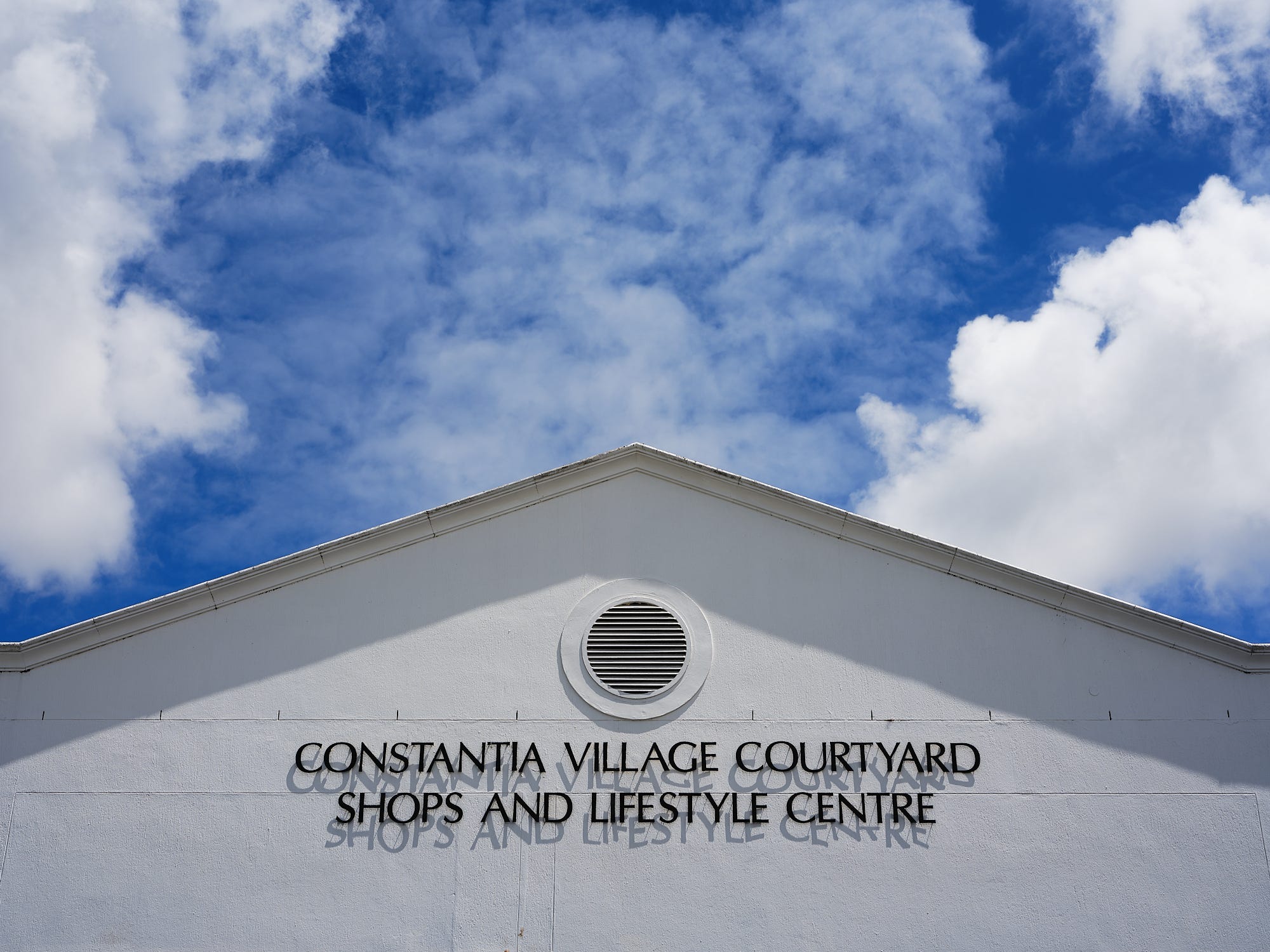
There is a lot to be said about the need for boredom in our modern attention commoditized age, reducing distractions and spending more time in quiet contemplation, though that’s not the kind of boring I mean today. What I am interested in the visually mundane, the world more or less, as it is. No extreme perspectives, angles or filters. While an exact replication is impossible, I’ve recently been on a quest to reproduce the world as it appears to me, as it is.
A light touch
No current photographic medium can perfectly represent the dynamic range of our eyes, or the final image that our brains project into consciousness. And no camera captures and processes light in exactly the same way as another, though it is fair to say they generally attempt to faithfully represent reality. Thus a light hand in the edit, fixing white balance and generally reducing contrast helps an image retain its ‘as it is’ quality. Apart from the censoring that choosing a frame inevitably is, and the odd crop to correct a wonky horizon, the images are as seen.
Perspective
While not impossible, it’s rare that one lie on the floor to look up at something, or stand on a ladder to look down in day to day existence. A photo taken at head height, is a fair representation of what the world looks like to me. Yes, someone of different stature has a different perspective, but then it is their perspective, not mine.
Depth
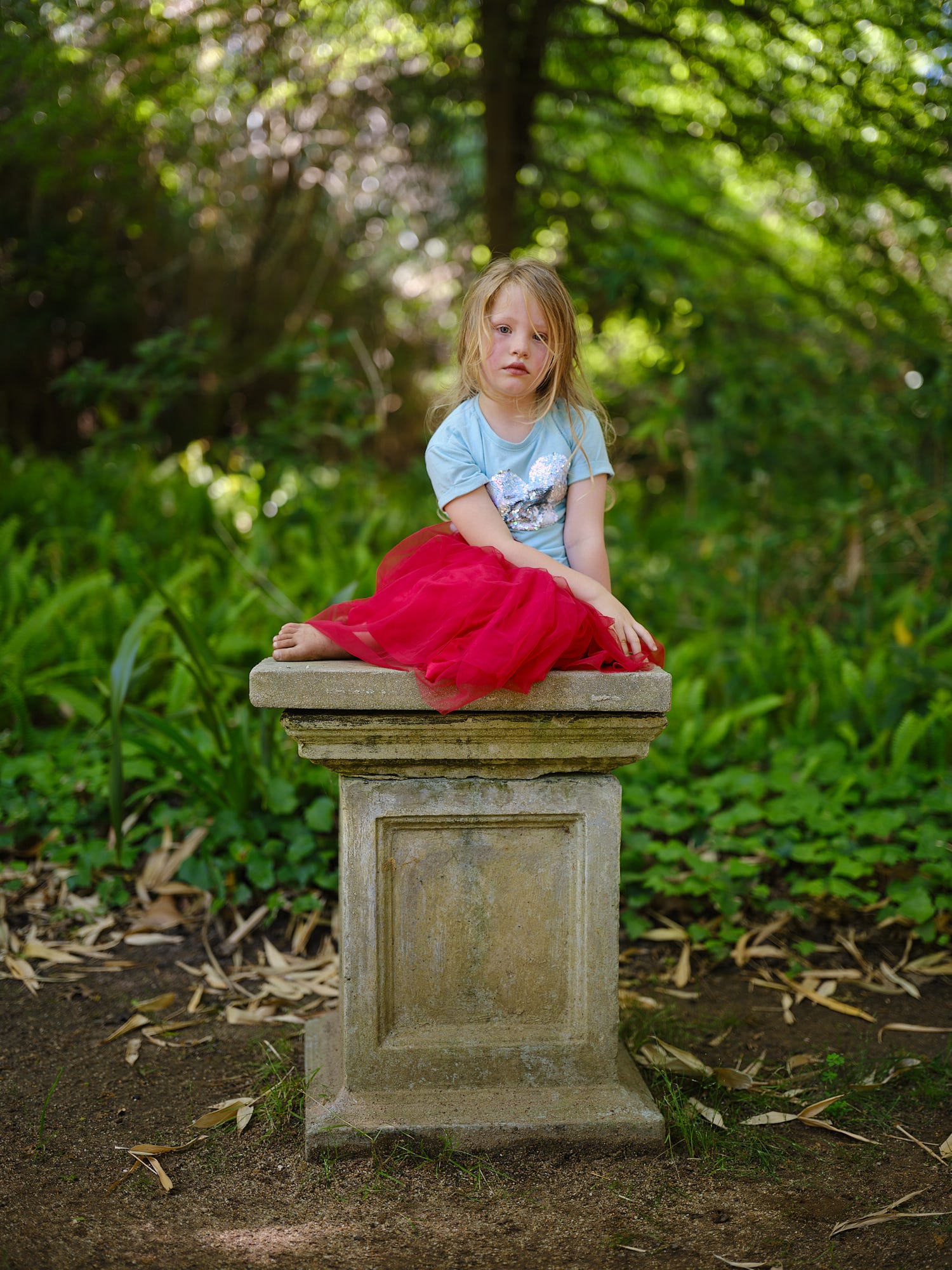
There is something alluring about shallow depth of field, especially when you first get your hands on a capable lens. And while the human eye has an aperture that reproduces the experience, even when looking at something very close, backgrounds are never indistinguishable. My preference is that the fore, mid and background all be identifiable for what they are. The above image, on on the edge of where I like, simplifying the background without making it obscure.
Field of view
There is general consensus that the human field of view falls somewhere between a 35 and 50 mm lens on a standard 35mm camera (full frame). Not just in the width, but also in the amount of visual compression that so called “normal” lenses produce. Our vision feels wider but in reality we are quickly darting back and forth, from one smaller point of focus to another to produce panoramic vision.
In my own photographic life, I’ve flitted between 35mm and 50mm lenses. Though I invariably owned both on whatever system I was using, just in case. The 35 used for most things, the 50 reserved for portraits and open spaces. Recently I ended a long unhealthy fling with that company and wanted to reduce my kit as much as possible.
In my quest, I stumbled upon the humble 40mm lens. The 40mm lens and its equivalents, 27mm in APS-C and 50mm in digital medium format are the same size as their respective sensors and as such, are very simple designs. With fewer pieces of glass, which translates to smaller, lighter and cheaper, without compromising on quality. Most companies make a 40mm lens which is pretty fast and often among their smallest and cheapest offering. Not only that but with a few steps forward and a few steps back, the 40mm lens doubles as both a 35 and a 50. As the normal category needed redefining, they are called “super normals”, the 43mm is also in this category.
Since making the switch, some 6 weeks ago, I’ve shot everything at 40mm. Landscapes, architecture, birds, flowers, portraits, and the action adventure genre of small children.
One thing less
So much of our modern age is filled with choice paralysis, the terror of picking the wrong thing. Everywhere we are confronted with dozens of similar options, needing to wade through countless more reviews before we can make up our minds. Inevitability, in a space like photography, acquiring more than one option and then unsure of which to use.
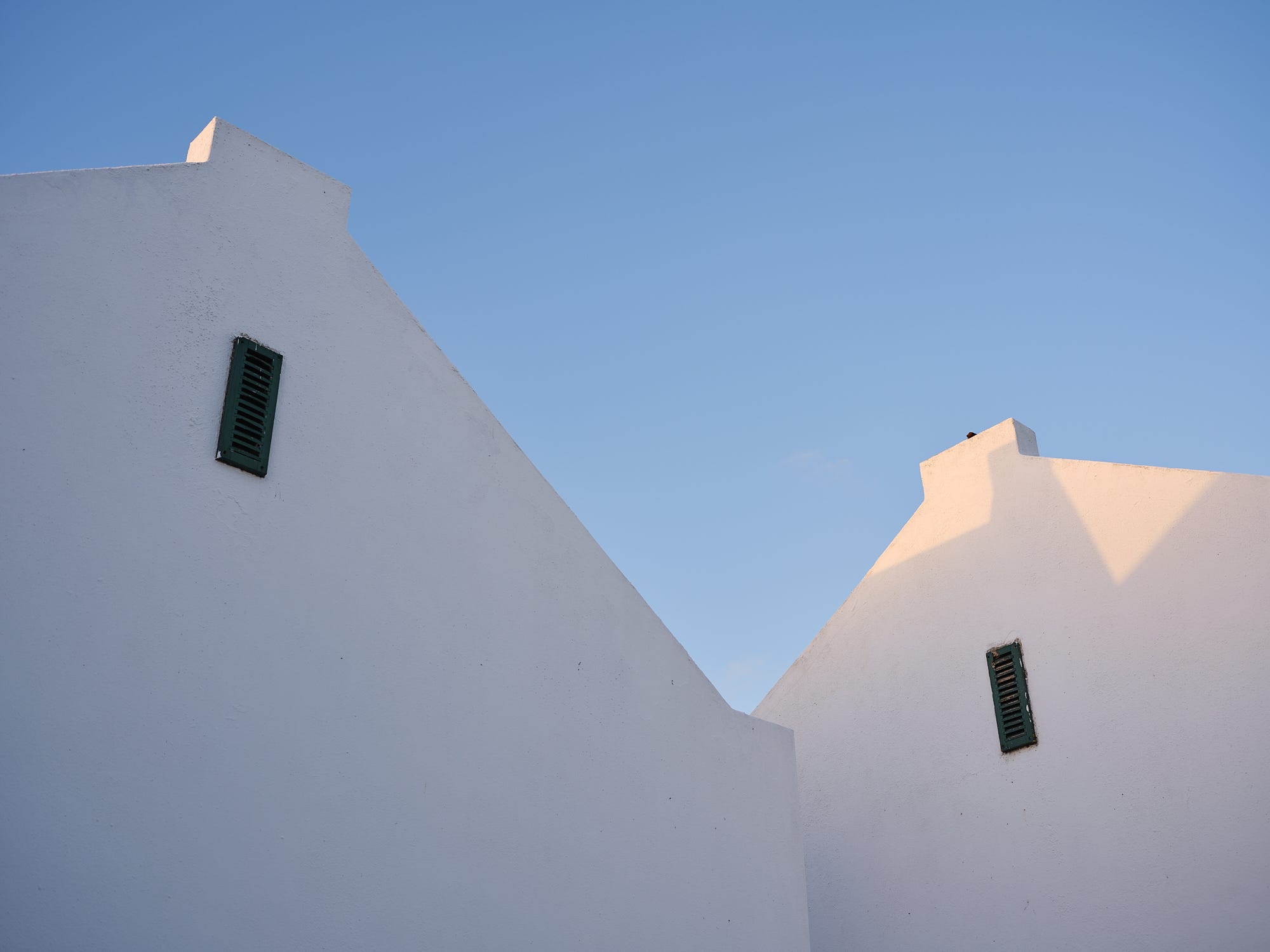
Having even one thing less to think about means I am more likely to go out and shoot. A 40mm lens is the one lens I need, the only I own, and its entirely liberating. At each step of the process, choosing the tool, composing the frame and editing. I don’t need to wonder which filter to use, what whacky perspective to use and what lens. I can venture forth unencumbered, and capture the world, as it is.